


Some of Canada's worst natural disasters followed powerful El Niño winters. With another strong El Niño developing, could Alberta be heading toward another devastating summer?
These disasters have something interesting in common: they all happened after strong El Niño winters.
Now, with another powerful El Niño developing ahead of winter 2026–2027, we have to ask: Could history repeat itself? And what would happen if the next major disaster struck Calgary, Edmonton, Red Deer, or Lethbridge? The damage could be staggering.
What Is El Niño?
El Niño is a natural weather pattern caused by unusually warm ocean temperatures in the Pacific Ocean. Although it happens thousands of kilometres away, it can affect weather across Canada. In Alberta, El Niño often brings warmer winters, less snow in some areas, and an earlier spring. While that might sound pleasant, it can also set the stage for dangerous weather later in the year.
How Can El Niño Make Severe Weather Worse?
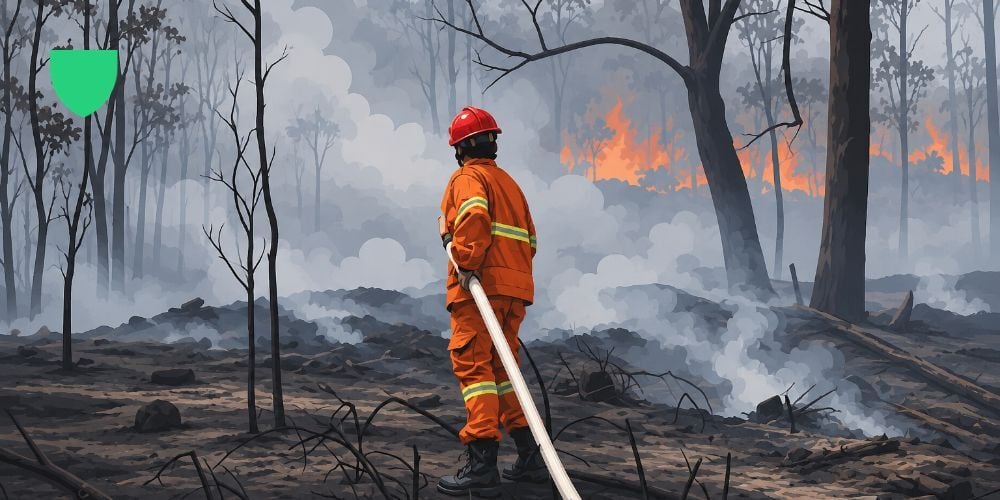
Warmer winters, reduced snowpack, and an early spring can leave forests and grasslands unusually dry. When summer arrives, these conditions can help wildfires start and spread quickly. The connection to hailstorms is less clear, but research suggests El Niño can influence the weather patterns that affect hailstorm activity. El Niño doesn't directly cause wildfires or hailstorms, but it can help create conditions that make certain disasters more likely.
2016: The Fort McMurray Wildfire
The winter of 2015–2016 brought one of the strongest El Niño events ever recorded. That spring, Alberta experienced unusually warm and dry weather.
In May 2016, a wildfire spread into Fort McMurray, forcing about 88,000 people to evacuate and destroying thousands of buildings. The disaster became Canada's most expensive insured natural disaster at the time.
But here's something surprising: Canada's overall wildfire season in 2016 was actually below average for the total area burned. What made Fort McMurray so devastating wasn't an unusually bad wildfire season across the country. It was one dangerous fire reaching a major community during a period of extreme heat and dry weather.
2024: The Jasper Wildfire and Calgary Hailstorm
Another strong El Niño arrived during the winter of 2023–2024. That summer, Alberta experienced two major disasters just weeks apart.
On July 22, lightning sparked wildfires in Jasper National Park. Hot, dry weather and strong winds helped the fires spread quickly. More than 25,000 people were evacuated, and by July 24, the fire had reached Jasper, destroying 358 homes and businesses. The disaster caused nearly $1.3 billion in insured damage, making it Canada's second-costliest wildfire.
Less than two weeks later, on August 5, a massive hailstorm hit Calgary, damaging thousands of homes and vehicles. The storm caused more than $3 billion in insured losses.
Together with other disasters across the country, these events helped push Canada's 2024 severe weather insurance claims to approximately $8.5 billion, breaking the previous record set in 2016.
What If the Next Disaster Hits a Major Alberta City?
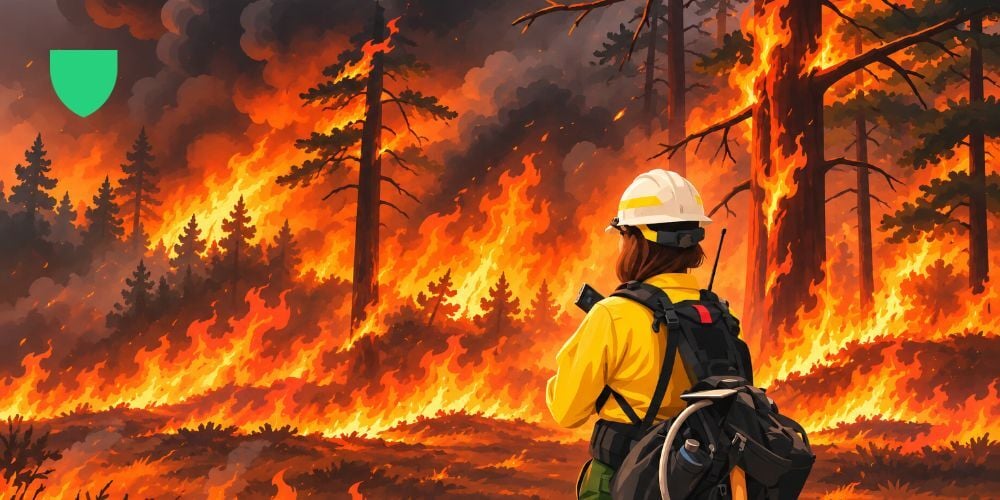
Here's where things get frightening. Fort McMurray and Jasper showed us how quickly a wildfire can devastate a community. Calgary showed us how much damage a single hailstorm can cause.
Now imagine a major wildfire threatening the outskirts of Edmonton, a massive hailstorm sweeping across Calgary, or a powerful storm tearing through Red Deer or Lethbridge. Thousands of homes, businesses, and vehicles could be damaged in a matter of hours. Families could be displaced, businesses forced to close, and insurance claims could climb into the billions.
A disaster doesn't need to break weather records to cause historic damage.
The cost of a disaster depends on three things: how severe the weather is, how many people and properties are in its path, and how well those properties can withstand the damage.
Could Summer 2027 Be Another Record-Breaking Year?
As of November 2026, another powerful El Niño is developing in the Pacific Ocean. If it brings a mild, dry winter to Alberta, it could increase concerns about wildfire conditions heading into spring and summer.
But El Niño is only part of the picture. Spring rainfall, summer temperatures, wind, and many other factors will determine how severe the 2027 weather season becomes.
Two of Canada's costliest disaster years followed strong El Niño winters. Could a third be on the horizon? It's a possibility worth taking seriously, even if nobody can predict exactly what will happen.
Should Alberta Homeowners Be Worried?
A strong El Niño doesn't guarantee a devastating summer. A wet spring could ease wildfire concerns, and there's no reliable way to predict where or when a major hailstorm will strike months in advance.
What homeowners can do is prepare. Maintain your roof, clear dry vegetation away from your home, keep drainage systems working, and review your insurance coverage for wildfire, hail, and water damage.
We can't control Alberta's weather, but we can control how prepared we are for it.
Whether 2027 becomes another record-breaking year remains to be seen. Hopefully, it won't. But if history has taught us anything, it's that preparing before disaster strikes is far better than wishing we had afterward.