
Buying a vehicle is exciting. Whether it is your first car, a used truck, a family minivan, or simply something a little more reliable, there is a lot to think about before you get the keys. You have to figure out what you can afford, find the right vehicle, negotiate the price, arrange financing, make sure it is properly insured, and register the vehicle.
Car insurance is not just something you need after you buy a vehicle. It should actually be part of the buying process itself. The vehicle you choose can have a big impact on what you pay for insurance, and there are a few important rules to understand: When your coverage starts, what happens to your existing insurance and whether you can legally drive your new vehicle home.
Fortunately, the process is pretty straightforward once you know how it works. So, if you are planning to buy a new or used vehicle in Alberta, here is what you should know before you sign the bill of sale and drive away.
Should I Get an Insurance Quote Before Buying a Car?
Yes. Ideally, you should get an insurance quote before you agree to buy the vehicle.
Once you have the year, make, and model, or the VIN, call your insurance agent or broker and ask them to quote the vehicle. The vehicle you drive is one of the factors that can affect how much you pay for car insurance in Alberta. This is more important than many people realize.
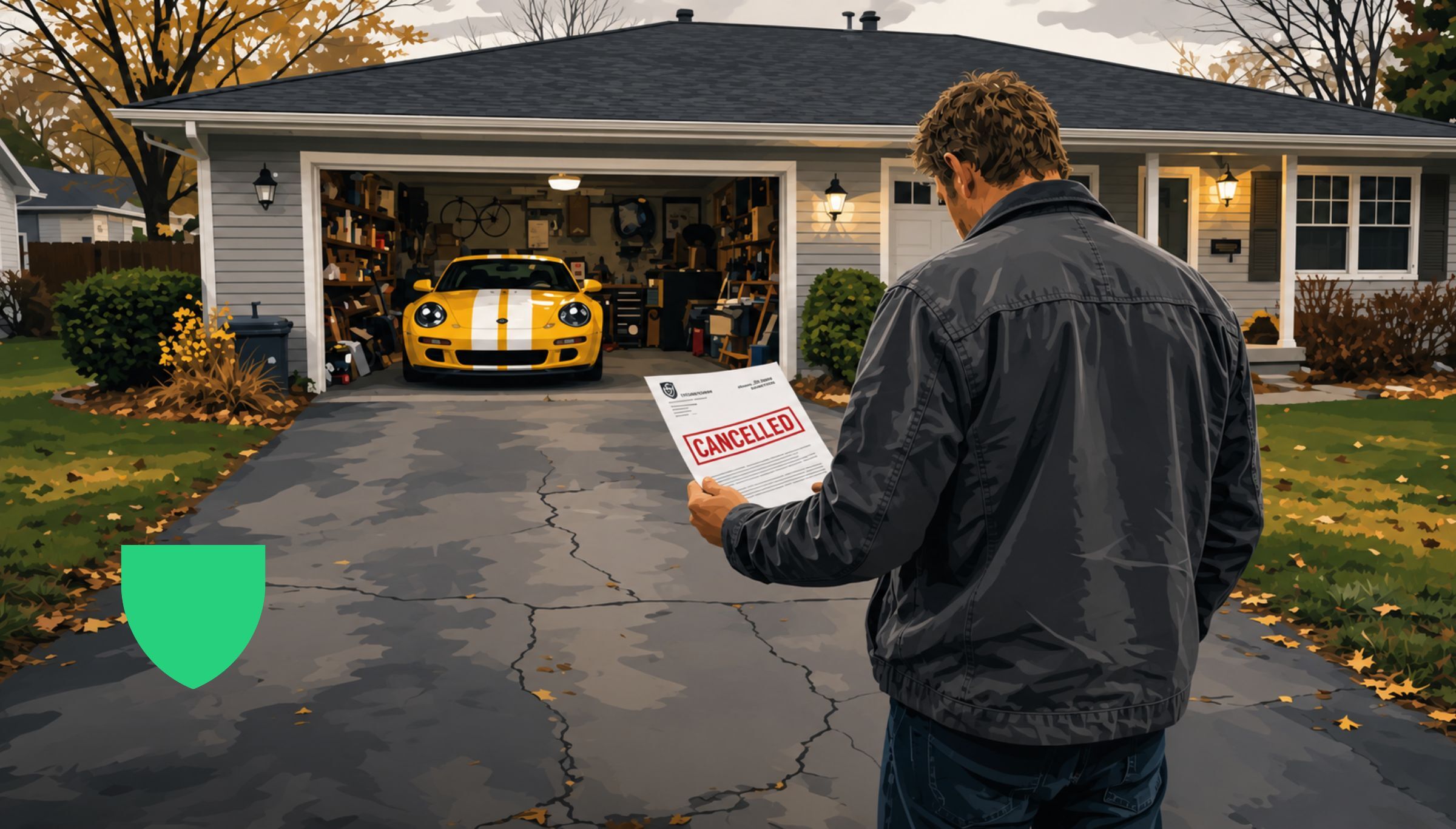
We often hear from people who have already purchased a brand new vehicle with a payment of $900 per month, only to discover that their insurance is going to cost another $900 per month. At that point, there may not be an easy solution. They have already committed to the vehicle and now they are up against the wall, financially speaking.
Before you buy the car, find out what the car is actually going to cost you. Your monthly budget should include the payment, insurance, fuel, maintenance and other ownership costs. Your broker may even be able to quote several vehicles you are considering so you can compare the total cost before making your decision.
Do I Need Insurance Before I Drive a New Car Home in Alberta?
If you do not already have an active automobile insurance policy in your name, you need to arrange insurance before driving your newly purchased vehicle. Do not buy the vehicle and assume you can sort out the insurance later.
Contact your insurance provider, arrange the appropriate coverage and make sure you know when that coverage takes effect before getting behind the wheel.
This is especially important when buying a vehicle privately, where there may not be a dealership reminding you to arrange insurance.
If I Already Have a Car Insurance Policy, Can I Use That to Drive My New Car Home?
In many cases, yes. If you already have an active car insurance policy in your name, your existing policy may provide temporary coverage when you purchase another vehicle. Under Alberta's standard automobile insurance policy, coverage for a newly acquired vehicle can extend for up to 14 days from the date you take ownership, provided you meet the requirements of the policy.
Think of this as a little bit of breathing room. If you buy a vehicle and cannot immediately get in touch with your insurance broker, you may still have coverage through your existing policy. However, that does not mean you should wait two weeks to tell your insurance company about the new vehicle.
There are rules around when this temporary coverage applies. We always recommend contacting your broker before you pick up the vehicle whenever possible. The 14 days are there to protect you when you need them, however, they should not be your plan for insuring your new car.
What Coverage Transfers to a Newly Purchased Vehicle During the 14 Days?
A simple way to think about it is that your new vehicle gets the same coverage you already have on your current vehicle.
If your current vehicle only has liability coverage, your new vehicle will only have liability coverage during those 14 days. If your current vehicle has liability, collision and comprehensive coverage, those coverages can extend to your new vehicle as well.
This is especially important if you are replacing an older vehicle with something newer or more expensive. You do not want to assume your new vehicle has collision coverage just because it is worth more.
There are also special coverages available for some new and newer vehicles, such as a Waiver of Depreciation or Replacement Cost coverage. These do not automatically appear just because you bought a new vehicle. Whether they extend will depend on the coverage you already have and whether your new vehicle qualifies.
This is why we recommend calling your broker before you pick up the keys. They can make sure your new vehicle has the coverage you actually want from day one.
Is My New Vehicle Only Covered Up to the Value of My Old Vehicle?
No. The value of your old vehicle does not set the coverage limit for your new one. If your old car was worth $10,000 and you replace it with a vehicle worth $40,000, your new vehicle is not limited to $10,000 simply because that was the value of the car you replaced.
If physical damage coverage extends to your new vehicle, a claim would generally be based on the actual cash value of the new vehicle at the time of the loss, subject to your coverage, deductible, policy terms and any applicable endorsements. Keep your bill of sale somewhere safe. It is important proof of when you bought the vehicle and how much you paid for it.
Do I Need Proof of Insurance If I Am Financing or Leasing a Car?
In most cases, you should expect to provide it. When you finance or lease a vehicle, someone else has a financial interest in it. Your lender or leasing company will generally require appropriate insurance coverage to protect that interest in your vehicle.
That commonly means carrying physical damage coverage such as collision and comprehensive coverage rather than liability coverage alone.
The dealership or lender will typically ask for proof of insurance before allowing you to take the vehicle home. Your insurance broker can usually arrange coverage ahead of time and provide the necessary proof of insurance so that you are ready for pickup.
Final Thoughts
Buying a vehicle comes with enough decisions already. Your insurance does not need to be the complicated part. The easiest thing you can do is call your insurance broker before you buy. Get a quote, find out what coverage you need and make sure everything is ready before you pick up the keys. A quick phone call can help you avoid an expensive surprise.