


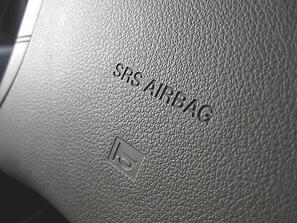
 According to GM Canada, an airbag propels out of a dashboard at up to 320 kilometres per hour – faster than the blink of an eye. Though they are designed to absorb the impact of a crash for adult motor vehicle passengers and drivers, children can suffer major injuries from an air bag.
Air Bag Safety Recomendations
To keep children injury-free while riding in your car, consider these safety recommendations:
- Place small infants in rear-facing child safety seats in the backseat.
- Place toddlers over 1 year old and at least 9 kilograms in forward-facing convertible safety seats in the backseat of the vehicle. Since these car seats would situate the child several centimetres closer to the dashboard, they pose a risk for air bag injuries if they are placed in the front seat. Therefore, they must be placed in the backseat only.
- Place children who have outgrown convertible safety seats but do not fit correctly with a lap/shoulder seat belt in a car booster seat in the back seat of the vehicle.
- Children under age 12 should ride in the backseat of the vehicle with a seat belt securely fastened.
If you must ABSOLUTELY seat children under age 12 in the front seat, conduct the following safety precautions to reduce their risk of injury:
- Restrain children in a safety seat appropriate for their age.
- Push the seat all the way back to provide as much distance between the dashboard and the seat as possible.
- Require that children sit with their backs firmly pressed against the seat. Do not allow them to wiggle or lean forward.
- Tighten the seat belt as much as possible to reduce their movement in the event of a crash.
Remember: we do more than help you avoid claims and arrive at your destination safely. Contact us today to learn more about all of our insurance solutions for your auto, home and life!
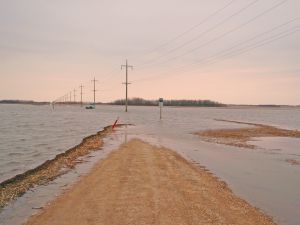 After a disaster strikes, returning to your home can be an emotional experience. Unfortunately, if you’re not careful, it can also be a dangerous one. The disaster may have caused damages to your home that now present a safety hazard to you and your family. It is important that you properly inspect your home for potential hazards before you resume your life there.
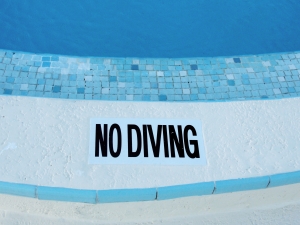 Fun in the sun is even better when you have a swimming pool in your backyard to stay cool on hot, summer days. Despite all the entertainment that a swimming pool offers, there are also homeowner liabilities. To help you minimize your risk, we’ve gathered some safety tips to keep you in the know as you swim.
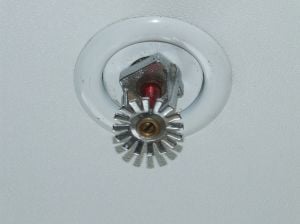 Sprinkler systems are not just for commercial buildings—they can also be installed in your home. While there are many different types of sprinkler systems, wet-pipe sprinkler systems are the most popular for installation in homes. This type of sprinkler system uses pipes that are constantly filled with water, waiting to be released. Because homes are generally heated during the winter months, homeowners don’t have to worry about frozen pipes. Luckily, wet-pipe sprinkler systems are less expensive than other types, are easy to maintain and even come with sprinkler heads that can be recessed into the ceiling discreetly to avoid interfering with the home’s décor.
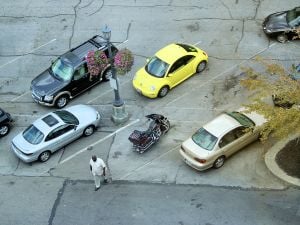 Sometimes navigating a parking lot can feel like a free for all. In fact, even though a parking lot accident can affect your car insurance premium just as much as a road accident, it can be very difficult to determine who's at fault. In most parking lot accidents all drivers are considered to be equally at fault.

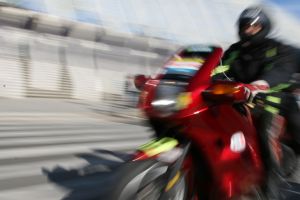 Since motorcycles are easily accessible, they are highly prone to theft. If you like to hit the open road on two wheels, be mindful of these theft prevention guidelines to avoid taking a one-way trip down “Loss Lane”.