
 Auto Insurance by Province
1 min read
Aviva Customers Get $100 off Winter Tires at Kal Tire

Aviva Insurance announced a new winter tire promotion that could save you $100 on Winter Tires from Kal Tire.
2 min read
Top 5 Tips to Men's Health
The leading cause of death for males in Canada is cancer – followed closely by heart disease. Combat this statistic by adhering to a healthy lifestyle.
 1. Watch What You Eat
What you eat and drink can make a significant difference in your overall health. Eating five or more fruits and vegetables a day, little saturated fat and avoiding trans fats can improve health, reducing the risk of cancer and other chronic disease.
2. Know Your Risks
Your parents, grandparents, work and home habits, environment and lifestyle all contribute to your health and health risks. These factors may put you at an increased risk for certain diseases or conditions. Since you can’t change many of those factors, focus on addressing any behaviours you do have control over, such as your diet, activity level or quitting smoking. Make as many healthy changes for your body as you can.
3 min read
Understanding Your Auto Insurance Policy
 Deciphering all of the parts of your auto insurance policy can be a difficult task. Here, we’ve broken it down section by section so you can understand the information that is included in each part.
A 2013 study showed that 65 per cent of Canadians do not take the time to review their auto insurance policy every year. Don’t fall into this group!
Declarations Page
The declarations page of your auto insurance policy provides an overview of all details of your contract. Included on the declarations page are the following:
- Name of the insurance company
- Your name and address
- The policy number
- Effective and expiration dates of the policy—your policy covers you between these two dates
- Description of all vehicles included on the policy, including year, make and model
- Coverage information—expect to see the different types of coverage you have selected listed here along with your deductible and the limits for each line of coverage
- Premiums—this is how much you will pay each month for coverage
- Premiums will be listed by vehicle as well as by coverage type.
- Name of the lien holder—this is the person or institution that issued your car loan
- If you paid for your vehicle without a loan, this area will be blank.
- Name of the loss payee—this is the person or entity that is entitled to all or part of the insurance proceeds when a claim is paid out
- Any special conditions or changes made to the policy
When you receive a copy of your policy, it’s important to review all of the information on the declarations page for accuracy. Keep a copy of your declarations page in your files in case you find yourself with questions about your policy. If you change or revise your policy at any time, a new declarations page will be issued to you reflecting the changes. Make sure to review and keep this new declarations page as well.
The Insuring Agreement
The remaining pages of your policy document are called the insuring agreement. The insuring agreement section of your auto insurance policy explains the risks you are covered for, the people covered under the policy and the amount of time the policy covers you for. The purpose of the insuring agreement is to state the terms of the policy explicitly and clearly, leaving no room for misunderstandings.
Definitions
The insuring agreement always includes a definitions page. This is where the “fine print” of your policy is located. The definitions page defines vocabulary you will find in your policy to make it easier to understand. It also states your rights as the policy holder.
Conditions
Your responsibilities and the responsibilities of the company insuring you are outlined here. Conditions include payment requirements, the proper steps for filing a claim and the process for resolving disagreements. If you have any questions about the conditions of your policy, make sure to contact Armour Insurance Group Ltd. right away to prevent issues.
Exclusions
This section of the insuring agreement lists the events and circumstances which are not covered as part of your policy. The intent of the exclusions section is to make your policy as clear as possible and prevent any surprises in the event of a claim. A solid understanding of what your policy excludes is crucial in determining any additional coverage you may want to purchase. Contact Armour Insurance Group Ltd. if you need any clarification on the items that are excluded from your policy.
Make sure to set aside some time each year to review your policy and ensure that the limits and coverage you have selected are right for you. Evaluate your needs based on your provincial regulations, the value of your car, the money you have in savings and the amount of risk you feel comfortable taking. Then, make sure to read the entire insuring agreement—especially the exclusions—to guarantee that you are covered in every situation that is necessary for your lifestyle. If you have questions about your auto insurance policy, contact Armour Insurance Group Ltd. today!
2 min read
Break Poor Eating Habits One Step at a Time
If changing eating habits was easy, everyone would be fit and healthy. One key to making lasting improvements is to make changes in stages. Start with something simple and stick to it for a week. After your family has mastered one change, add another.
 Some Ideas to Get You Started
- Eat breakfast.
- Substitute water for one sugary drink each day.
- Eat one to two more fruits or vegetables each day.
- Plan a healthy snack for each day of the week.
- Switch to a low-fat version of a favourite food.
- Plan three meals and two snacks every day.
- Plan a home-cooked meal, which usually has fewer calories and more reasonable portions, and costs less than typical meals eaten at restaurants.
Set an Example
Parents play a big role in guiding their children’s eating habits by the examples they set, the foods they make available in the home and the mealtime experiences they create for their families.
Offer healthy snacks such as fruit, low-fat cottage cheese or yogourt, frozen juice bars, applesauce, celery or apples and peanut butter, raw vegetables, graham crackers, fig bars or whole wheat crackers and low-fat cheese. Large portions mean too many calories. A snack for a typical adult may be a container of yogourt, but for a preschooler, two or three tablespoons of yogourt are about right.
Topics: Healthy Lifestyle health diet
3 min read
Intact Insurance Announces Underwriting Changes for Alberta Flood Victims
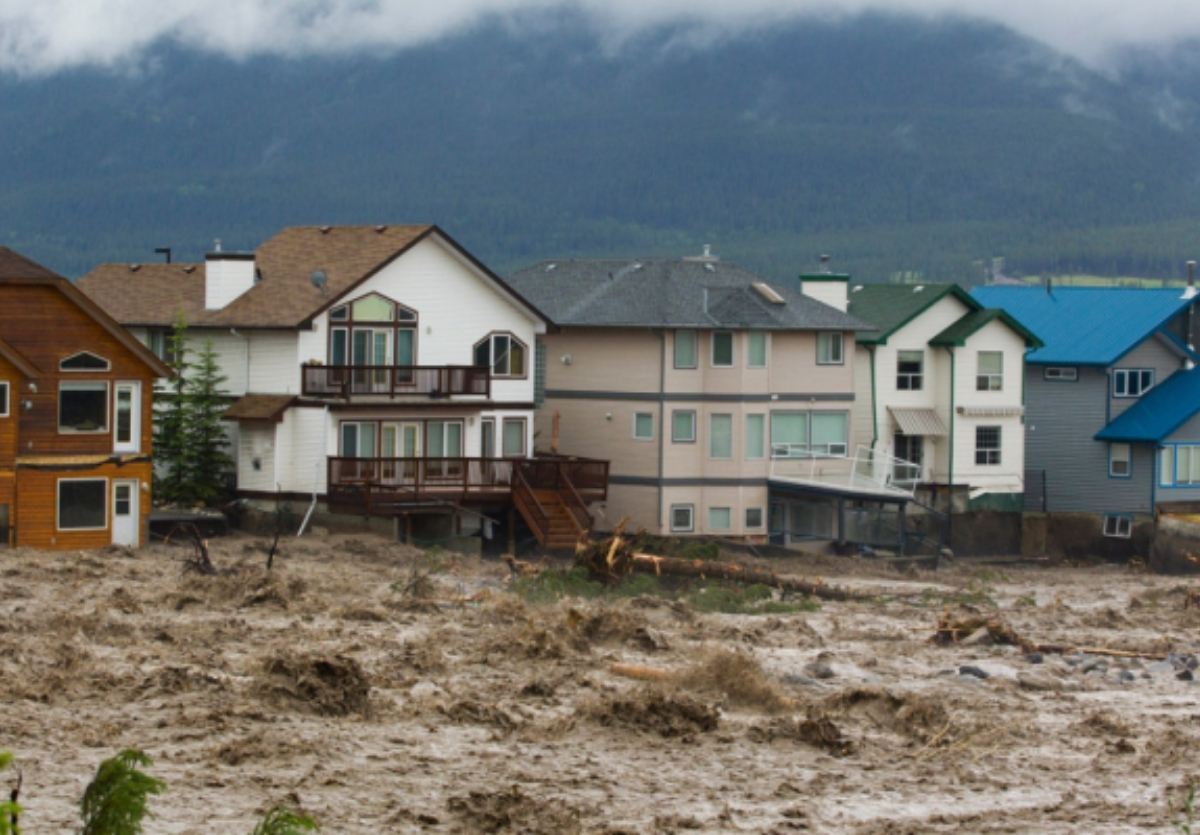
As a response to the continued severe weather Canada is experiencing, Intact Insurance released a notice to brokers outlining changes to their After Loss Underwriting Practices. The flooding in Southern Alberta this summer was noted as particularily devastating, affecting thousands of people in many Alberta communities.
Topics: flood insurance Insurance Claims flood flooding Insurance losses
1 min read
Parent/Teen Driving Agreement - Free Download

Most of us remember the feeling we had when we took the car out on the road for the first time alone. This is often the first taste we get of real independance when growing up. You may also recall the naivety that you had as a new driver and making some mistakes that would have been better avoided. This is where a document like a teen driving agreement comes in. It will bring to light some areas that will hopefully prevent your teen from making some of the same mistakes on the road.
2 min read
Give your New Teen Driver the Tools They Need to Get Home Safe
 With statistics like the ones below, letting your teen take the wheel for the first time can be a scary experience for parents. It's important to ensure that your son or daughter is given the tools to keep them as safe as possible on the road.
Topics: Auto Insurance Car Insurance Teen Driver
2 min read
How to Get the Best Rates for your Teen Driver's Car Insurance
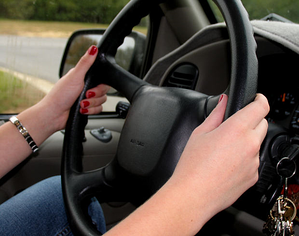 Providing car insurance for a teen driver can be an expensive endeavour. The fact is that as new drivers, teens are perceived to be a higher risk for insurance companies. Our brokers hear questions like these on a daily basis:
Topics: Auto Insurance Car Insurance
2 min read
How to Tow a Big Load Safely
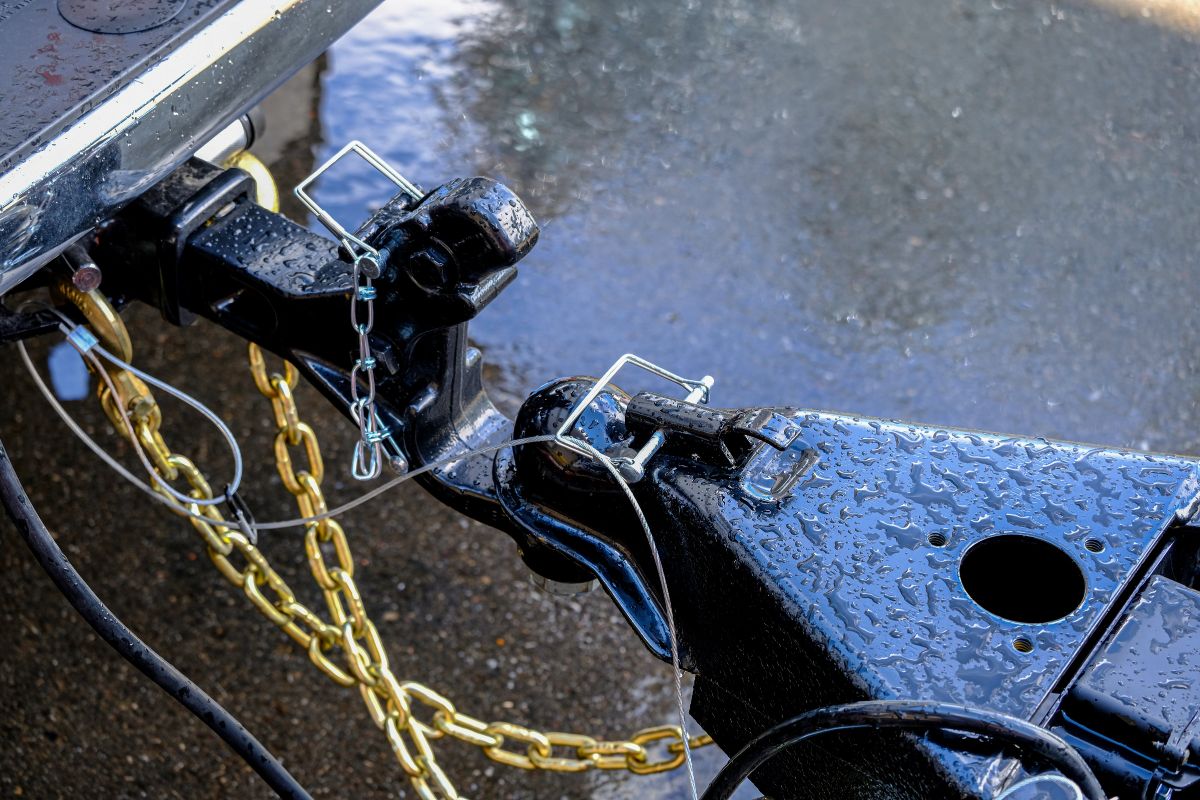
Towing a large load with your vehicle such as a travel trailer, fifth-wheel trailer or cargo trailer is a great way to carry additional items without making lots of trips. Trailers are also convenient to use when your personal vehicle is not large enough to carry the items you want to transport. Motorists must be careful when towing, though, to prevent accidents and remain safe on the roadways.