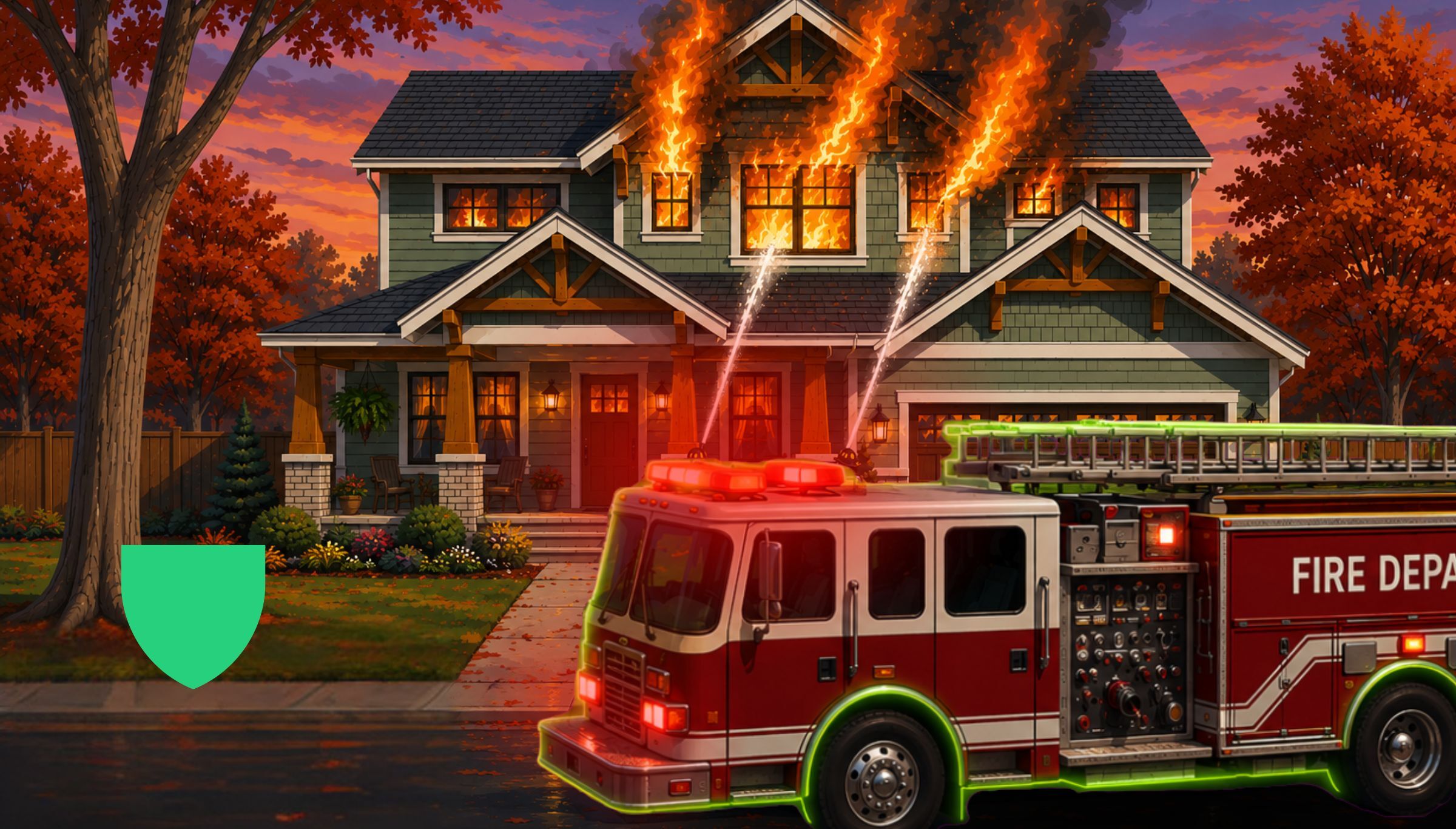


Property insurance helps pay to repair or rebuild your property after a covered loss. However, it may not cover the extra costs of meeting today's building codes. That is where bylaw coverage comes in.
What Should You Know About Bylaw Coverage?
- What is bylaw coverage?
- Why do building codes affect insurance claims?
- When is bylaw coverage needed?
- What does bylaw coverage insurance pay for?
- What types of properties benefit most from bylaw coverage?
1. What is bylaw coverage?
Bylaw coverage, sometimes called building ordinance or ordinance and law coverage, helps pay for extra costs that come from meeting current building codes after a covered insurance claim.
Building codes change over time to improve safety, energy efficiency, and accessibility. If your building was built years ago, it may not meet today's standards. When damage occurs, local authorities may require repairs or rebuilding to follow the latest codes.
Without bylaw coverage, you could be responsible for paying many of these additional costs yourself.
2. Why do building codes affect insurance claims?
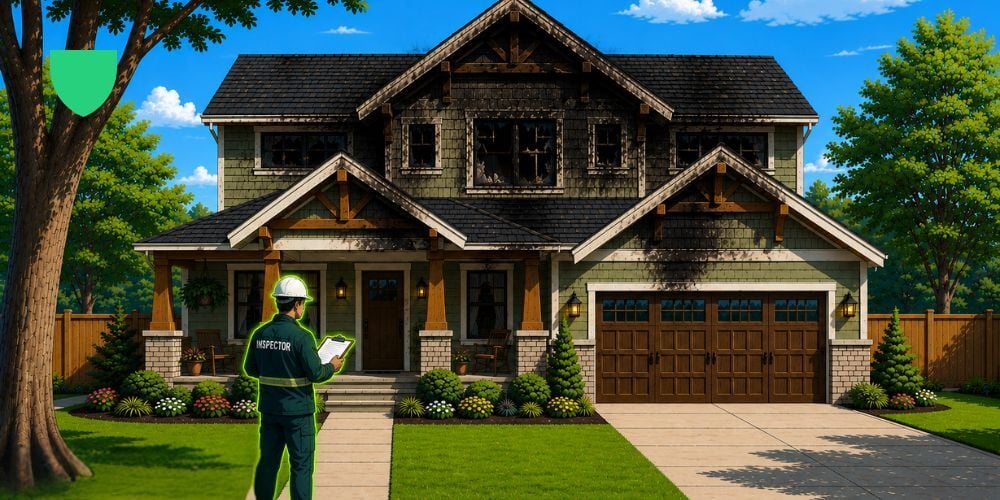
A standard property insurance policy is designed to repair or replace damaged property with materials of similar kind and quality. It does not always pay for upgrades that are required only because building codes have changed.
For example, a fire may damage part of an older commercial building. During repairs, the municipality may require the electrical system, insulation, or fire protection systems to be upgraded to meet current codes. These improvements can add thousands of dollars to the cost of the project.
Bylaw coverage helps cover these extra expenses when they are required because of a covered loss.
3. When is bylaw coverage needed?
Bylaw coverage becomes important when a covered loss triggers building code requirements during repairs or rebuilding.
This can happen after a fire, windstorm, water damage, or another insured event. Even if only part of the building is damaged, local regulations may require larger portions of the structure to be repaired or replaced to meet current standards.
The older the building, the greater the chance that today's building codes differ from the ones in place when it was originally constructed.
4. What does bylaw coverage pay for?
The exact coverage depends on your policy, but bylaw coverage often helps pay for three main types of expenses.
- It may cover the value of any undamaged part of a building that must be demolished because local bylaws require it.
- It may pay for demolition and debris removal when parts of the building must be taken down to comply with current codes.
- It can help pay for the increased cost of rebuilding with materials, systems, and construction methods that meet today's building standards.
Your insurance broker can explain what is included in your policy and whether your limits are enough for your property.
5. What types of properties benefit most from bylaw coverage?
Almost any property can benefit from bylaw coverage, but it is especially valuable for older buildings. If your home is 40+ years old, strong bylaw coverage can be an incredibly valuable addition to your policy. Some companies will allow you to purchase additional bylaws coverage to enhance your financial protection.
Final Thoughts
Building codes are designed to protect people and improve the safety of buildings, but they can also increase the cost of repairing or rebuilding after a loss. Bylaw coverage helps protect property owners from many of these unexpected expenses and can make a significant difference when disaster strikes.
Looking for a quote for your home or property? We're here to help.