

Many homeowners have structures on their property that are separate from their house. These may include a detached garage, storage shed, workshop, or gazebo. While home insurance often covers these buildings, many people are unsure about what is included and where coverage limits apply.
What Should You Know ABout Outbuilding Coverage?
- What is outbuilding coverage on a home insurance policy?
- What types of structures are considered outbuildings?
- What does outbuilding coverage typically include?
- What is usually excluded from outbuilding coverage?
- How much insurance coverage do outbuildings receive?
- When should homeowners increase their outbuilding coverage limits?
1. What Is Outbuilding Coverage on a Home Insurance Policy?
Outbuilding coverage is the part of your home insurance policy that helps protect structures on your property that are not attached to your house.
For example, if a fire damages your detached garage or a windstorm destroys your storage shed, your insurance may help pay to repair or replace the structure.
Many homeowners assume their outbuildings are covered the same way as their house. In reality, most policies provide a separate coverage limit for detached structures. That's why it's important to understand exactly what protection you have.
2. What Types of Structures Are Considered Outbuildings?
An outbuilding is any structure on your property that is separated from your main home.
Common examples include:
- Detached garages
- Storage sheds
- Workshops
- Gazebos
- Pool houses
- Detached barns
- Garden sheds
- Playgrounds
- Fences
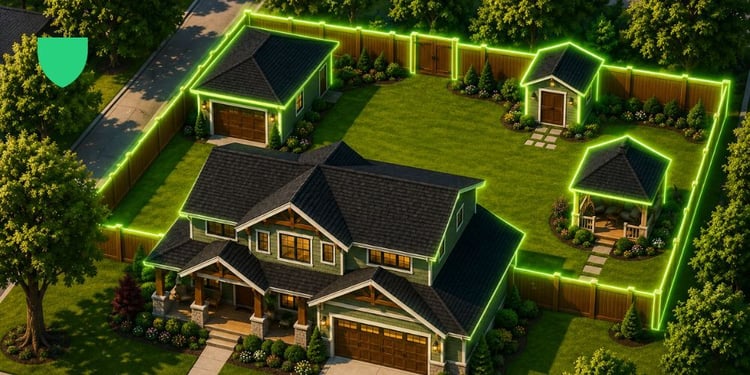
The exact definition can vary between insurance companies. If you're unsure whether a structure qualifies as an outbuilding, check your policy or speak with your insurance advisor.
3. What Does Outbuilding Coverage Typically Include?
In many cases, outbuilding coverage protects detached structures from the same risks covered under your home insurance policy.
For example, your insurance may help cover damage caused by:
- Fire
- Lightning
- Windstorms
- Hail
- Vandalism
- Falling objects
Imagine a severe windstorm tears shingles off your detached garage, or a fire damages your backyard workshop. If the cause of the damage is covered under your policy, your insurer may help pay for repairs or replacement costs.
Coverage can vary from one policy to another, so it's always a good idea to review your policy details.
4. What Is Usually Excluded From Outbuilding Coverage?
While outbuilding coverage protects against many common risks, it does not cover every type of damage.
Some common exclusions include:
- Normal wear and tear
- Lack of maintenance
- Rot and deterioration
- Damage caused by insects or rodents
- Flood damage, unless specifically covered
- Earthquake damage, unless additional coverage is purchased
- Intentional damage
It's also important to understand how an outbuilding is being used.
For example, if you run a business from a detached workshop or store expensive equipment inside a shed, your standard coverage may not be enough. Some situations require additional coverage or policy endorsements.
5. How Much Insurance Coverage Do Outbuildings Receive?
Most home insurance policies automatically include coverage for detached structures. The amount is often based on a percentage of your home's insured value.
For example, if your home is insured for $600,000 and your policy provides 10% coverage for outbuildings, you may have up to $60,000 available for detached structures.
That may sound like plenty, but replacement costs can add up quickly. A large detached garage, workshop, or custom-built structure may cost more to rebuild than many homeowners realize.
Reviewing your coverage limits regularly can help ensure they still reflect the value of your property.
6. When Should Homeowners Increase Their Outbuilding Coverage Limits?
You may want to increase your coverage if the value of your outbuildings has grown over time.
Consider reviewing your policy if you:
- Build a new detached garage or workshop
- Add a large storage building to your property
- Renovate an existing outbuilding
- Install expensive equipment or tools
- Convert an outbuilding into a hobby space or specialized workshop
A quick coverage review can help identify gaps before a loss occurs. It's much easier to adjust your coverage now than discover you're underinsured after making a claim.
Final Thoughts
Outbuilding coverage is an important part of your home insurance policy, but many homeowners don't fully understand how it works. Knowing which structures are covered, what types of damage are included, and where exclusions apply can help you make more informed decisions about your insurance protection.
If you're unsure whether your detached structures have enough coverage, review your policy and speak with an insurance professional.