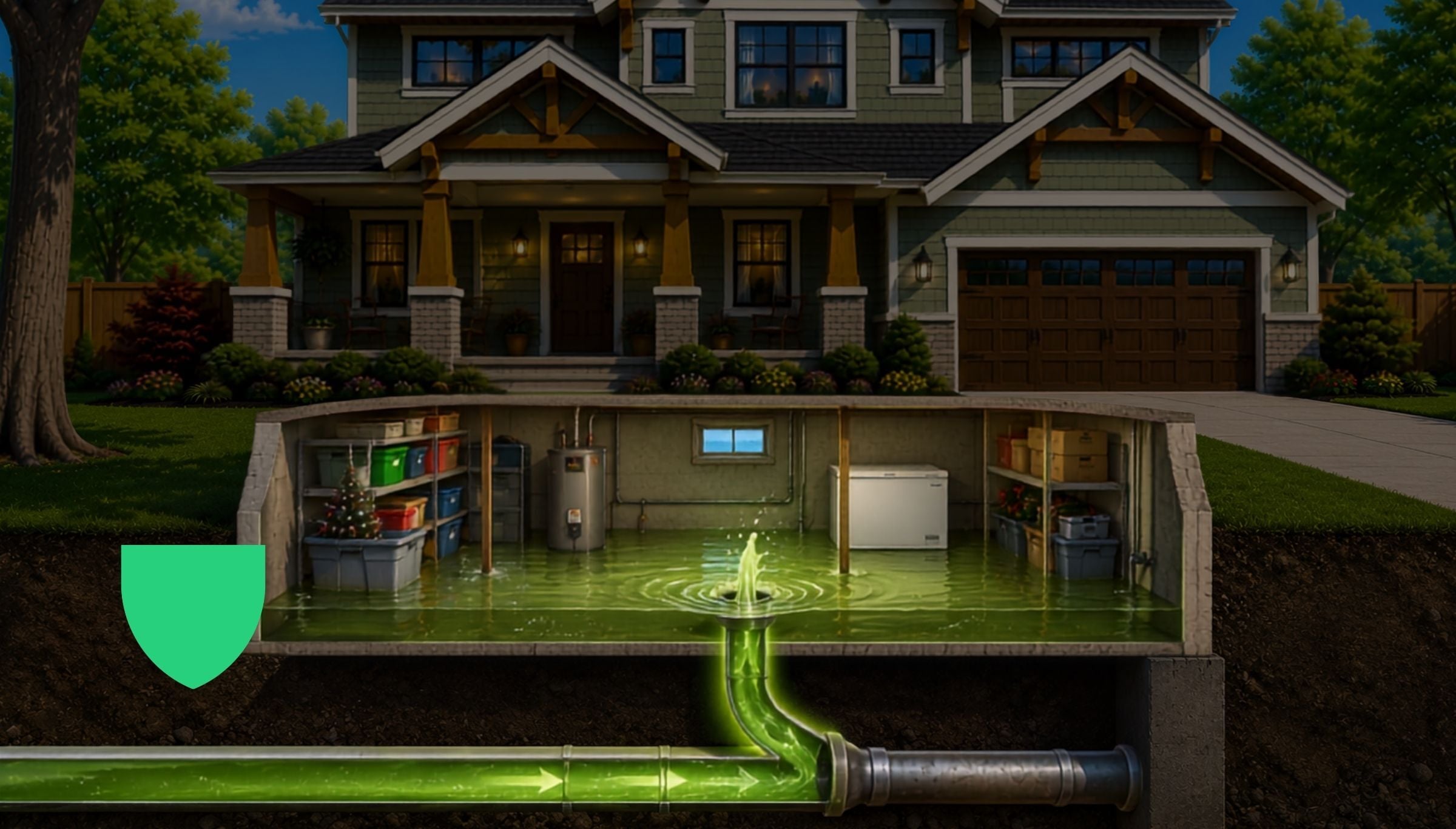


Water damage is a common concern for homeowners, but not all types of water damage are covered the same way. In this article, we’ll take a closer look at overland water, what overland water coverage can protect against, and how it differs from other types of water damage.
What is Overland Water Coverage on Your Home Insurance?
- What is overland water, and how is it different from a sewer backup or burst pipe?
- What is overland water coverage on home insurance policies and what does it cover?
- What does overland water insurance not cover?
- Is overland water coverage included in home insurance?
- How can homeowners reduce the risk of overland water damage?
1. What Is Overland Water, and How Is It Different from a Sewer Backup or Burst Pipe?
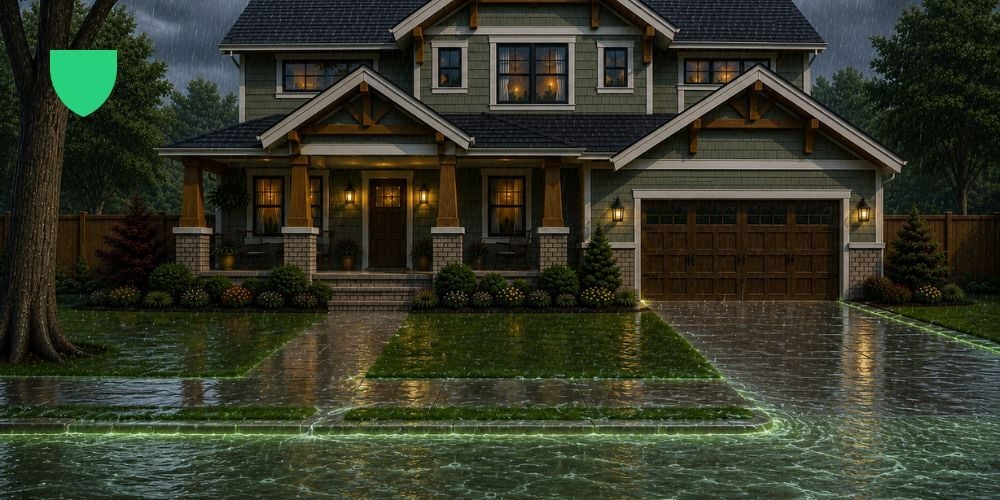
Overland water is water that enters your home from the surface of the ground. This can happen when heavy rain, rapid snowmelt, or rising water causes water to flow across the ground and into your home. This includes water from ponds, lakes, rivers, or other body of water.
A sewer backup is different. It happens when water or sewage backs up through a sewer, drain, toilet, or sump system and enters your home. A burst pipe is also different. This happens when a plumbing pipe inside your home breaks and releases water. Home insurance provides different coverage for each of these situations.
2. What Is Overland Water Coverage on Home Insurance Policies and What Does it Cover?
Overland water coverage is an optional insurance coverage that covers when sudden water enters your home from above ground. This coverage may help pay to repair damage to your home after a covered event. It may also help replace or repair damaged belongings, depending on your policy. The exact coverage can vary between insurance companies and policies. It is important to check your policy to understand how your insurer defines overland water.
Depending on the policy, coverage helps with repairs to damaged parts of your home and cover damaged belongings. Coverage limits, deductibles, and conditions apply. Your policy wording will explain what types of water damage are covered and how much coverage you have.
3. What Does Overland Water Insurance Not Cover?
Overland water coverage does not mean every type of water damage is covered.
For example, damage caused by a sewer backup typically requires separate sewer backup coverage. Damage caused by poor maintenance or a problem that has developed slowly may also be excluded. Some types of flooding may have different rules or exclusions as well. Always review your policy or speak with your insurance provider if you are unsure about a specific risk.
4. Is Overland Water Coverage Included in Home Insurance?
Overland water coverage is not typically included in a standard home insurance policy. It may be available as an optional coverage that you can add to your policy. Availability can depend on your insurer, your home, and where you live.
Some policies may cover overland water damage up to the policy limit, while others may have a specific limit, such as $25,000, $50,000, or $100,000. A separate deductible may also apply. Check your policy to see your coverage limit and deductible for overland water damage.
5. How Can Homeowners Reduce the Risk of Overland Water Damage?
There are several ways to help keep water away from your home. Start by keeping gutters and downspouts clear so rainwater can drain properly. Make sure downspouts direct water away from your foundation. Check the grading around your home as well. The ground should help direct water away from the foundation rather than toward it.
It is also a good idea to check basement windows, doors, foundation cracks, and other places where water could enter. Regular home maintenance can help you find small problems before they become larger ones.
Final Thoughts
Overland water coverage can be an important part of protecting your home from water damage. The key is understanding what your policy covers and how overland water differs from sewer backups, burst pipes, and other water losses. Coverage can vary, so review your policy and ask questions if anything is unclear.