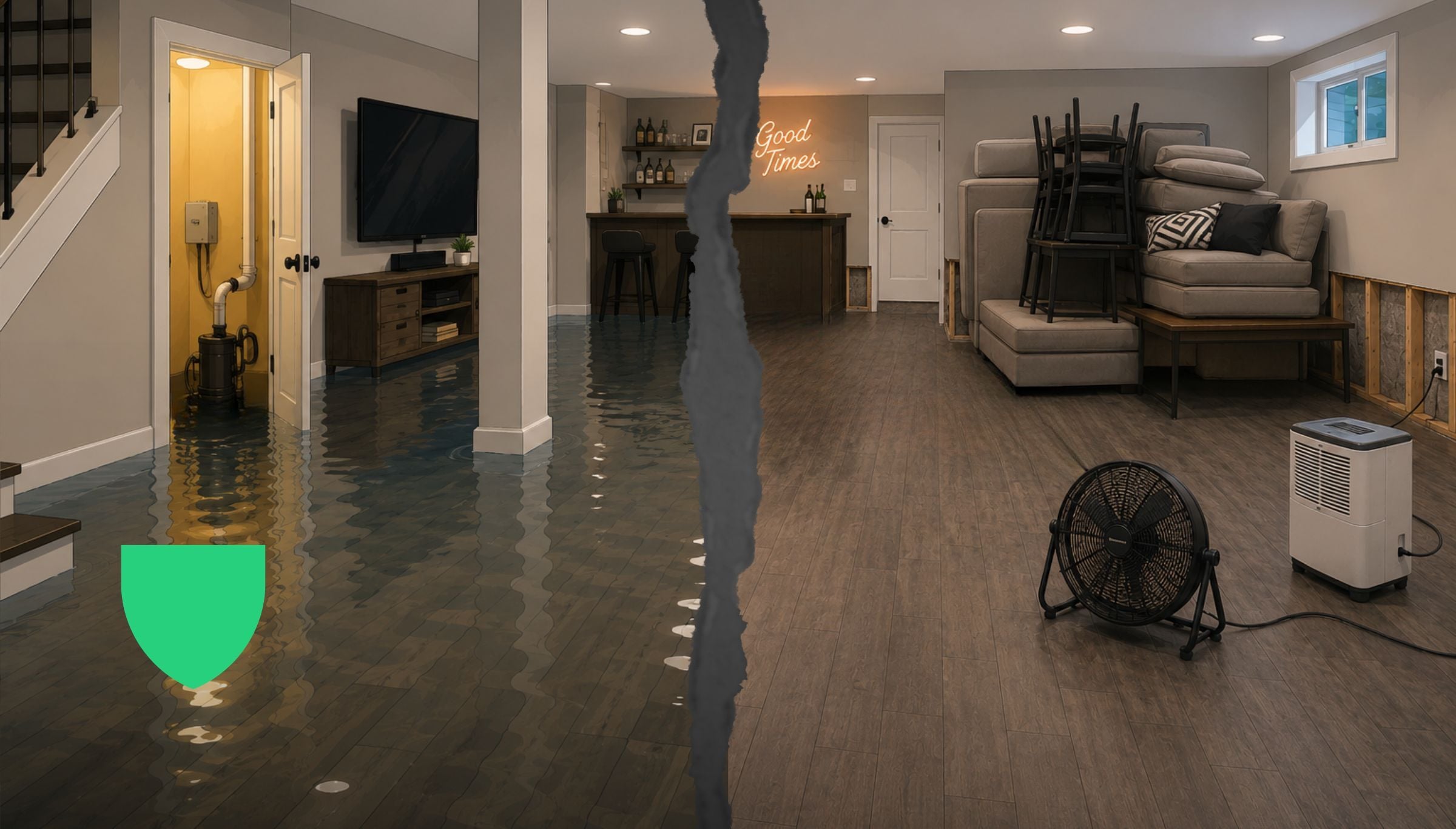


Your home is likely one of your biggest investments. That's why dwelling coverage is one of the most important parts of a home insurance policy. It helps protect the physical structure of your home if it is damaged by a covered loss.
What Should You Know About Dwelling Coverage?
- What is dwelling coverage on home insurance?
- What parts of my home does dwelling coverage protect?
- What types of damage does dwelling coverage cover?
- What is not covered by dwelling coverage?
- How much dwelling coverage do I need?
- What happens if the cost to rebuild my home increases?

1. What Is Dwelling Coverage on Home Insurance?
Dwelling coverage is the part of your home insurance policy that protects the physical structure of your house. If your home is damaged by a covered event, dwelling coverage helps pay for repairs or rebuilding costs.
Think of dwelling coverage as protection for the building itself. This includes the walls, roof, floors, foundation, and other parts that make up your home.
On most home insurance policies, dwelling coverage is listed as Coverage A. The coverage limit shown is the maximum amount your insurer will pay to repair or rebuild your home after a covered loss.
2. What Parts of My Home Does Dwelling Coverage Protect?
Dwelling coverage protects the main structure of your home and any attached structures. This often includes:
- The roof
- Exterior and interior walls
- Floors and ceilings
- Built-in cabinets
- Attached garages
- Attached decks
- Plumbing systems
- Electrical systems
- Heating and cooling systems
A good way to think about it is this: if removing the item would require tools or construction work, it is often considered part of the dwelling. However, every policy is different, so it's important to review your specific coverage details.
3. What Types of Damage Does Dwelling Coverage Cover?
Dwelling coverage typically protects your home against sudden and accidental damage caused by covered perils. Common examples may include:
- Fire and smoke damage
- Windstorms
- Hail damage
- Lightning strikes
- Explosions
- Vandalism
- Damage caused by certain falling objects
For example, if a windstorm tears shingles from your roof or a fire damages part of your home, dwelling coverage may help pay for repairs.
4. What Is Not Covered by Dwelling Coverage?
Dwelling coverage does not protect against every type of damage. Some common exclusions may include:
- Flood damage
- Earthquakes
- Normal wear and tear
- Poor maintenance
- Pest damage
- Gradual deterioration over time
For example, if a roof reaches the end of its lifespan due to age, dwelling coverage would not typically pay to replace it.
Many homeowners are surprised to learn that flooding usually requires separate coverage. Understanding policy exclusions can help prevent unexpected surprises when filing a claim.
5. How Much Dwelling Coverage Do I Need?
The goal of dwelling coverage is to insure your home for its rebuilding cost, not its market value.
Rebuilding cost is the amount it would take to repair or rebuild your home using similar materials and construction methods after a total loss. Several factors affect rebuilding costs, including:
- The size of your home
- Construction materials
- Local labour costs
- Building code requirements
- Material prices
The real estate value of your home and the price you paid for it are not always good indicators of how much dwelling coverage you need.
Your insurance company will usually calculate a recommended dwelling coverage amount, but it's a good idea to review it regularly (aproximately every 3-5 years).
6. What Happens If the Cost to Rebuild My Home Increases?
Construction costs can change over time. Labour shortages, inflation, and rising material prices can all increase the cost of rebuilding a home.
If your dwelling coverage limit does not keep pace with these increases, you could end up underinsured after a major loss.
Many insurance policies include features designed to help address rising rebuilding costs. Some policies automatically adjust coverage limits each year, while others may offer additional protection if rebuilding costs exceed your policy limit.
Reviewing your policy annually can help ensure your dwelling coverage remains aligned with current rebuilding costs.
Final Thoughts
Dwelling coverage protects the physical structure of your home and is often the foundation of a home insurance policy. Understanding what it covers, what it excludes, and how coverage limits work can help you make informed decisions about your protection.
As you continue exploring the different parts of a home insurance policy, understanding dwelling coverage is an important first step toward knowing how your insurance works and what it is designed to protect.
Looking for a quote for your home or property? We're here to help.